
The complete cycling guide to Spain
Updated: March 2026
Spain offers an unparalleled diversity for road cycling, from the rugged peaks of the Pyrenees to the sun-drenched volcanic islands. Choosing your ideal destination for cycling Spain depends on your preferred terrain, climate, and challenge level. This guide helps you navigate the country's top regions to find your perfect cycling escape.
Find your perfect cycling base in SpainAndalusia
Andalusia presents a rich tapestry of cycling experiences across its vast southern landscapes. You can explore the iconic "pueblos blancos" along quiet backroads or tackle the challenging climbs into the Sierra Nevada mountains. The region offers sun-sure miles from the coastal corniches of the Costa del Sol to the thin, high-altitude air of Veleta.
Expect varied terrain with rolling olive groves, dramatic mountain passes, and scenic coastal routes. The best time to visit for cycling in Andalusia is during spring or autumn, avoiding the intense summer heat. The region has 1 dedicated cycling shop.
Cantabria
Cantabria, a hidden gem in northern Spain, provides a unique cycling landscape of rugged coastline and lush green mountain ranges. This region is perfect for riders seeking cooler temperatures and verdant scenery, a stark contrast to Spain's drier southern areas. Its quiet roads wind through picturesque villages and offer challenging climbs balanced with stunning sea views.
Summer is the optimal season for cycling in Cantabria, when the weather is mild and stable. You will find 1 cycling shop serving the area.
Costa Blanca
The Costa Blanca stands as Europe’s sun-soaked cycling haven, renowned for its excellent roads and consistent weather. Riders benefit from diverse sea-to-summit routes, offering both gentle coastal spins and demanding climbs into the Sierra de Bernia. Smooth tarmac makes it perfect for structured training weeks and accumulating winter miles away from colder climates.
Spring and autumn are excellent, but the region truly shines for cycling in Costa Blanca during the winter months, attracting professional peloton teams. There are 6 dedicated cycling shops available to support your trip.
Costa Brava
Costa Brava delivers a captivating mix of rugged coves, quiet backroads, and the foothills of the Pyrenees. This region is ideal for sun-soaked training weeks, offering a blend of coastal rollers and punchy climbs near Girona. You can expect challenging terrain coupled with breathtaking Mediterranean vistas.
The best periods for cycling in Costa Brava are spring and autumn, when temperatures are pleasant for long days in the saddle. The area hosts 2 specialized cycling shops.
Girona
Girona has established itself as a world-class cycling destination, characterized by its rolling hills, historic villages, and breathtaking landscapes reminiscent of Tuscany. The region offers a network of quiet, well-maintained roads that cater to challenging rides and scenic exploration. This makes it a perfect escape for serious cyclists seeking varied terrain without extreme alpine conditions.
Spring and autumn provide the most favorable conditions for cycling in Girona. Despite its reputation, there are no dedicated cycling shops listed directly within Girona itself, encouraging riders to bring their own equipment or rent from nearby hubs.
Gran Canaria
Gran Canaria, an island of endless spring, offers a dramatic volcanic landscape perfect for big legs and even bigger views. Its routes feature an abundance of switchbacks, leading to iconic climbs like Pico de las Nieves and the infamous Valley of the Tears. Coastal loops provide less strenuous options, balancing the island's challenging interior.
The winter months are ideal for cycling in Gran Canaria, making it a popular escape from European cold. One dedicated cycling shop serves the island's cycling community.
Lanzarote
Lanzarote captivates cyclists with its unique windswept roads and dramatic volcanic beauty. The island’s terrain primarily consists of steady climbs and smooth, quiet miles, making it excellent for focused training. Its stark, lunar-like landscapes offer a truly distinctive backdrop for your rides.
Winter is the prime season for cycling in Lanzarote, providing consistent warm weather and strong winds that add to the challenge. The island offers 2 specialized cycling shops.
Mallorca
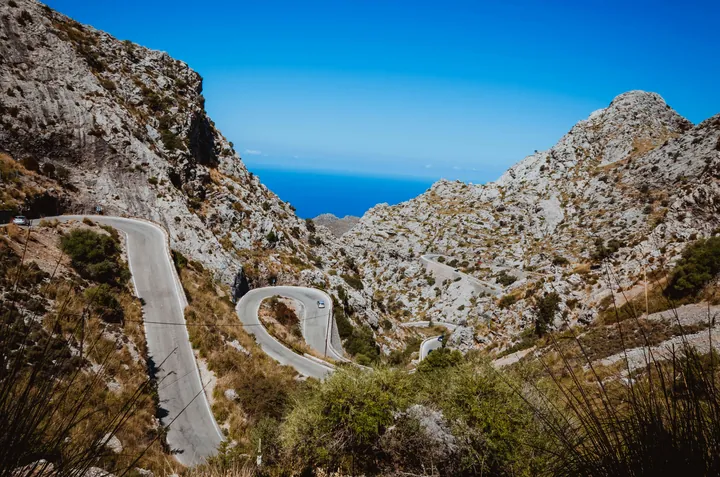
Mallorca remains a quintessential cycling paradise, boasting an extensive network of coastal and mountain routes. Riders flock to its smooth roads for long training weeks and to conquer iconic climbs such as Sa Calobra. The island offers a diverse blend of challenging ascents, thrilling descents, and scenic coastal flatlands.
Spring and autumn are considered the absolute best times for cycling in Mallorca, providing ideal temperatures and quieter roads. Before your trip, consult your complete cycling packing list for Mallorca. You can also explore the best time for road cycling in Mallorca and read your definitive guide to road cycling in Mallorca. The island is exceptionally well-equipped with 10 cycling shops.
Tenerife
Tenerife, often called the island of eternal spring, offers incredibly diverse terrains, from volcanic moonscapes to lush forest roads. This variety makes it ideal for year-round cycling, though winter is particularly popular for escaping colder climes. The island is dominated by Mount Teide, providing some of the longest continuous climbs in Europe, often reaching over 2,000 meters.
You can find comprehensive advice on the best bike rental Tenerife shops to prepare for your trip. With 5 cycling shops, cycling in Tenerife caters to all needs.
How the cycling regions of Spain compare
| Region | Terrain | Best season | Shops | Level |
|---|---|---|---|---|
| Andalusia | Mountains, rollers, coast | Spring/Autumn | 1 | Intermediate/Advanced |
| Cantabria | Mountains, coast, green | Summer | 1 | Intermediate |
| Costa Blanca | Mountains, coast, smooth | Winter/Spring | 6 | Intermediate/Advanced |
| Costa Brava | Hills, coast, foothills | Spring/Autumn | 2 | Intermediate |
| Girona | Rolling hills, challenging | Spring/Autumn | 0 | Intermediate |
| Gran Canaria | Volcanic mountains, steep climbs | Winter | 1 | Advanced |
| Lanzarote | Volcanic, windswept, steady climbs | Winter | 2 | Intermediate |
| Mallorca | Mountains, coast, varied | Spring/Autumn | 10 | Intermediate/Advanced |
| Tenerife | Volcanic mountains, forests | Winter | 5 | Advanced |
Planning your cycling trip to Spain
Planning your cycling trip to Spain requires considering logistics like bike transport and accommodation. Major airports like Palma de Mallorca (PMI), Alicante (ALC), Malaga (AGP), and Tenerife South (TFS) offer good connections and are often near bike rental services. Many airlines accommodate bike boxes, though fees vary.
When combining regions, factor in travel time between destinations, especially if flying between mainland Spain and the Canary or Balearic Islands. For example, a week in Mallorca could be followed by a few days in Girona if flights align, but extensive mainland travel is best by rental car or train. Accommodation options range from cyclist-friendly hotels with secure bike storage to self-catering villas, often found in popular cycling hubs.
Booking your bike rental in advance, particularly during peak seasons like spring in Mallorca or winter in the Canary Islands, is crucial. This ensures you get the right size and specification for your routes. Always confirm helmet requirements and local traffic laws before you ride.
Frequently asked questions about cycling in Spain
What is the best time of year for cycling in Spain?The best time for cycling in mainland Spain is generally spring (March to May) and autumn (September to November), offering mild temperatures and less crowded roads. For the Canary Islands, winter (November to February) is ideal, providing warm weather when other parts of Europe are cold.
Which Spanish region is best for challenging mountain climbs?For challenging mountain climbs, the Canary Islands, specifically Gran Canaria and Tenerife, offer sustained, high-altitude ascents like Pico de las Nieves and Mount Teide. Mallorca's Serra de Tramuntana also presents iconic, demanding routes such as Sa Calobra.
Is Spain good for a cycling holiday with varied terrain?Yes, Spain is excellent for varied terrain. Mallorca offers coastal roads, rolling hills, and significant mountains, while Andalusia combines high mountain passes with olive grove rollers and coastal routes. Tenerife provides volcanic landscapes alongside lush forests.
Do I need to rent a bike or bring my own to Spain?Whether to rent or bring your own bike depends on trip duration, airline fees, and personal preference. Spain has numerous high-quality bike rental shops in major cycling regions, offering a range of road bikes. For extended trips or specific bike setups, bringing your own might be preferable.
Are the roads in Spain suitable for road cycling?Spain generally boasts excellent road surfaces, particularly in popular cycling regions like Mallorca, Costa Blanca, and Girona. While some rural roads can be less pristine, the main routes and mountain passes are typically well-maintained and smooth for road cycling.
Spain offers an extraordinary range of road cycling experiences, from the demanding volcanic ascents of the Canary Islands to the picturesque rolling hills of Girona. By considering each region's unique terrain, climate, and cycling infrastructure, you can confidently plan a memorable and perfectly suited cycling adventure. Whether you seek intense training, scenic tours, or a relaxed holiday, Spain delivers world-class options.
Compare cycling destinations in Spain

