
Mallorca cycling packing list: what to bring and what to skip
Updated: March 2026
Preparing the right cycling packing list for Mallorca is crucial for an enjoyable trip, ensuring you have the specific gear needed for the island's varied terrain and warm climate. You’ll navigate iconic mountain climbs, fast coastal roads, and experience the warm Mediterranean sun, all of which influence your packing decisions from clothing to bike components.
Rent a bike in MallorcaThe essential cycling kit for Mallorca
Packing appropriate cycling kit is paramount for comfort and performance on Mallorca's diverse routes, from lengthy ascents to sun-drenched coastal rides.
- Lightweight cycling jerseys (3-4): Opt for breathable, quick-drying fabrics to manage the warm temperatures, which can average 18–22 °C in spring and climb higher in summer.
- Cycling shorts/bib shorts (2-3): High-quality chamois is essential for long days in the saddle, especially when tackling multi-hour climbs like Sa Calobra.
- Base layers (2): Thin, moisture-wicking base layers enhance comfort by moving sweat away from your skin, crucial for both cool mornings and hot afternoons.
- Arm warmers and knee warmers: These provide flexible layering for cooler mornings or descents, easily stowed when temperatures rise later in the day.
- Lightweight gilet or packable jacket: Ideal for crisp early starts, long descents, or unexpected cooler breezes, offering wind protection without bulk.
- Cycling gloves: Padded gloves improve grip and reduce hand fatigue, particularly beneficial on the island's occasionally rougher road surfaces.
- Cycling socks (multiple pairs): Breathable socks prevent discomfort and blisters, especially important during high-mileage training weeks in warm conditions.
- Helmet: A well-ventilated helmet is non-negotiable for safety and comfort, particularly under the strong Mallorcan sun.
- Cycling shoes and cleats: Ensure your shoes are comfortable and your cleats are properly set up to avoid hot spots or knee pain on extended rides.
- Sunglasses: Protect your eyes from the bright Mediterranean sun and road debris, enhancing visibility and comfort.
- Sunscreen (SPF50+): The Mallorcan sun is intense, especially in summer, making high-factor, water-resistant sunscreen a daily necessity.
- Chamois cream: Prevents chafing and saddle sores during multi-hour rides, which are common when exploring the island’s extensive network of routes.
Bike setup and components for Mallorca's roads
Optimizing your bike's setup and components is key to confidently tackling Mallorca's varied terrain, which ranges from smooth coastal roads to challenging mountain passes.
- Tyres: Choose 28c tyres with good puncture protection for comfort and grip on Mallorca’s diverse road surfaces, which include smooth tarmac, but also some rougher patches and winding descents. While 25c tyres are common, 28c offers a noticeable improvement in ride quality and resilience.
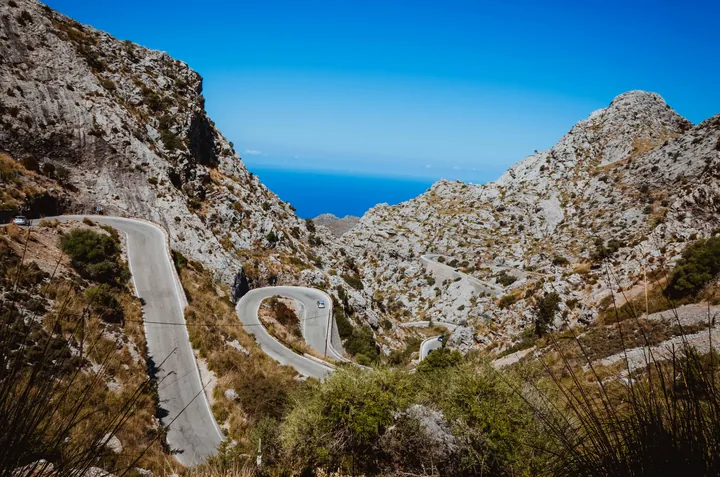
- Gearing: A compact chainset (50/34T) paired with an 11-30T or 11-32T cassette is highly recommended for the steep gradients found on climbs like Sa Calobra, which averages 7.2% over 9.4 km. This setup ensures you have a bailout gear for sustained ascents.
- Saddle height check: Verify your saddle height and position before arriving to ensure maximum comfort and efficiency, preventing issues on long rides.
- Bar tape: Fresh bar tape improves comfort and grip, especially on winding descents where confident handling is crucial.
Nutrition and hydration for cycling in Mallorca
Effective nutrition and hydration are vital for sustaining energy on Mallorca's demanding cycling routes, especially in warm conditions where dehydration can quickly become an issue.
You should aim to consume 500-750 ml of water per hour, adjusting based on temperature; on days averaging 25 °C, aim for the higher end. Electrolyte tablets are valuable additions to your water bottles, helping replace salts lost through sweat. While you can bring some energy bars and gels, Mallorca has well-stocked supermarkets and excellent local cafes where you can buy fresh fruit, pastries, and water, reducing the need to carry everything from home. Popular feed stops on classic routes include Es Verger for its famous lamb, and cycling-friendly cafes in towns like Deià and Valldemossa.
Spare parts and tools to carry
Carrying a basic selection of spare parts and tools is prudent for roadside emergencies, ensuring you can handle common mechanicals without waiting for assistance.
- Inner tubes (2): Punctures are the most common roadside issue, so carrying two spares provides a good buffer.
- Tyre levers: Essential for removing and reinstalling tyres, especially if you opt for tighter-fitting, more robust road bike tyres.
- Mini pump or CO2 inflator with cartridges: Quickly reinflate your tyre after a repair. CO2 is faster, but a mini pump offers unlimited uses.
- Multi-tool: A compact multi-tool with essential hex keys (4, 5, 6 mm), Torx T25, and a flathead screwdriver can address most minor adjustments.
- Small patch kit: A backup for multiple punctures or unexpected tyre damage.
You do not need to bring extensive bike repair tools or a wide array of spare parts. Mallorca boasts numerous well-equipped bike shops, particularly in cycling hubs like Palma and Alcúdia, which can handle more complex repairs or provide specialized components.
Apps and navigation for cycling in Mallorca
Utilizing the right apps and navigation tools will enhance your cycling experience in Mallorca, allowing you to discover iconic routes and stay on track even in remote areas.
Komoot and Strava are excellent choices for route planning and navigation, offering extensive libraries of user-generated routes and segment data for Mallorca. Downloading routes for offline use is highly recommended, as mobile data coverage can be intermittent in certain mountainous areas like the Serra de Tramuntana. Google Maps can also be useful for finding local amenities or detours, but ensure you download offline maps for reliable access. A dedicated cycling GPS device (Garmin, Wahoo) is invaluable for turn-by-turn directions, especially on complex routes or when exploring new territory.
What NOT to bring (and save the weight)
Knowing what to leave at home can significantly reduce your luggage weight and stress, especially when traveling with a bike.
You do not need heavy rain gear during the peak cycling season from March to May, as Mallorca typically experiences very dry conditions with minimal rainfall. While a light gilet is useful, a full waterproof jacket is often unnecessary. Avoid over-packing casual clothes; focus on versatile items that can be mixed and matched. Bringing excessive spare parts beyond the essentials is also not needed; the island's robust cycling infrastructure means bike shops are readily available for almost any repair or component need.
Frequently asked questions about your cycling packing list Mallorca
Is it better to rent a bike or bring my own to Mallorca?Renting a bike in Mallorca is often more convenient and practical, saving you the hassle and cost of transporting your own bike, which can include airline fees, bike box rental, and potential damage risks. Mallorca offers a wide selection of high-quality road bikes available for rent, often perfectly set up for the local terrain. For more details on rental options, read The best bike rental Mallorca options for your cycling trip.
What are the luggage restrictions when flying with a bike?Luggage restrictions for flying with a bike typically involve specific weight and size limits for bike boxes, which vary significantly by airline and often incur oversized baggage fees. Most airlines require bikes to be packed in a dedicated bike box or bag, with a common weight limit around 23-32 kg (50-70 lbs) and specific dimensions; always check your airline’s exact policy before flying.
Should I rent a bike box or buy one?Renting a bike box is generally more cost-effective for a single trip or infrequent travel, as purchasing a high-quality bike box can be a significant investment that takes up storage space when not in use. Many local bike shops or online services offer bike box rentals for a fraction of the purchase price.
Do I need to pack specific foods or can I buy them locally in Mallorca?You can largely rely on buying most of your nutrition locally in Mallorca, as supermarkets are well-stocked with essentials like fruit, energy bars, and hydration drinks. Bringing a few favorite gels or specific recovery supplements for the first day or two can be useful, but the island offers ample choices. Local cafes are also excellent sources for mid-ride fuel.
What clothing should I pack for a spring cycling trip in Mallorca?For a spring cycling trip in Mallorca (March to May), pack versatile layers including several short-sleeved jerseys, bib shorts, arm and knee warmers, and a light gilet or packable jacket. Temperatures average 18–22 °C, making mornings cool and afternoons warm, so adaptability is key. A light base layer is also recommended.
With this comprehensive cycling packing list for Mallorca, you are well-prepared to make the most of your cycling adventure on this stunning island. Focusing on lightweight, versatile, and terrain-appropriate gear will ensure comfort and performance on every climb and coastal stretch.
Find your bike rental in Mallorca