
Your complete cycling packing list Tenerife
Updated: March 2026
Packing for a cycling trip to Tenerife requires thoughtful consideration of the island's unique conditions, including its demanding climbs, varied road surfaces, and consistent sunshine. Your essential cycling packing list for Tenerife should prioritize lightweight, breathable gear, appropriate bike setup for ascents, and robust hydration. This guide ensures you are prepared for everything from epic volcano climbs to coastal rides, making your cycling holiday truly exceptional.
Rent a bike in TenerifeThe essential cycling kit for Tenerife
The right cycling kit for Tenerife ensures comfort and performance across diverse terrains and microclimates. Due to the high altitudes and intense sun, layering and sun protection are paramount, even on warm days.
- Lightweight, breathable jerseys: Essential for managing heat on long climbs and in direct sun, wicking sweat effectively. Aim for two to three short-sleeve jerseys for a week-long trip.
- Cycling shorts or bib shorts: Choose high-quality bib shorts with a comfortable chamois for long hours in the saddle, especially crucial for multi-day rides tackling Tenerife's extensive climbs.
- Base layers: Lightweight mesh base layers are valuable for temperature regulation, preventing overheating on ascents and adding a thin layer of warmth on descents or at altitude.
- Arm and knee warmers: These are indispensable for Tenerife, offering flexibility to adapt to changing temperatures between sea level and high altitudes, or for early morning starts.
- Lightweight cycling jacket or gilet: A packable gilet provides crucial wind protection on fast descents from Teide, where temperatures can drop significantly. A light rain jacket is optional outside of winter.
- Cycling gloves: Padded gloves enhance comfort and grip, especially important on longer rides and for absorbing vibrations on some of the island's older road surfaces.
- Cycling socks: Opt for breathable, moisture-wicking socks to keep your feet cool and prevent blisters in warm conditions.
- Sunscreen (SPF 50+): Absolutely critical; the sun in Tenerife, especially at altitude, is intense. Apply a high SPF cream liberally and regularly to exposed skin.
- Cycling glasses: Protect your eyes from UV rays, dust, and wind. Photochromic lenses are excellent for varying light conditions from dawn to dusk.
- Helmet: A well-ventilated helmet is non-negotiable for safety and comfort in Tenerife's warm climate.
- Chamois cream: Prevents chafing on extended rides, a common occurrence given the significant climbs and potential for multi-hour excursions.
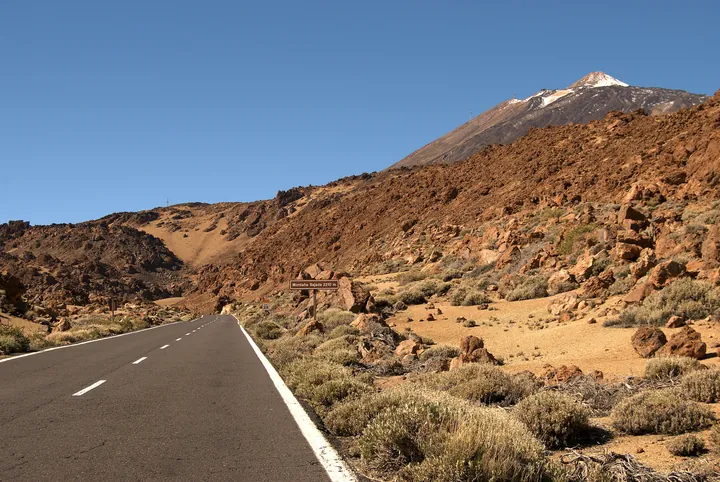
Bike setup and components for Tenerife's roads
Optimising your bike's setup and components is crucial for tackling Tenerife's steep climbs and varied road surfaces effectively. Gearing and tyre choice will significantly impact your ride experience.
- Tyre width and type: For Tenerife’s roads, 28c tyres are highly recommended over 25c. They offer superior comfort, grip, and puncture protection, especially on volcanic roads which can have rougher patches. Run them tubeless if possible for added resilience.
- Gearing: A compact chainset (50/34) paired with a wide-range cassette (11-30 or 11-32) is almost essential for Tenerife's demanding ascents, particularly those up Mount Teide. This gearing provides the necessary low ratios to maintain a comfortable cadence on gradients often exceeding 10%.
- Brake pads: Ensure your brake pads are in excellent condition, especially if you plan long descents. Organic or semi-metallic pads offer good performance in dry conditions, while sintered pads are better for wet weather if you ride in winter.
- Saddle height: Double-check your saddle height before you leave, or upon arrival. Proper fit prevents discomfort and injury, crucial for the long climbs.
- Bar tape: Fresh, well-padded bar tape improves comfort and grip, especially valuable on lengthy descents where you'll spend extended periods on the hoods.
Nutrition and hydration for cycling in Tenerife
Maintaining proper nutrition and hydration is paramount for successful cycling in Tenerife, given the heat and elevation gains. Planning your intake helps sustain energy levels throughout long rides.
- Water intake: Aim to consume 0.75-1 liter of water per hour, especially during summer months or when climbing at altitude, where dehydration can occur rapidly. Carry at least two large water bottles (750ml+) on your bike.
- Electrolyte tablets or powders: Crucial for replenishing salts lost through sweat. Bring a supply from home or purchase locally, as they are readily available in pharmacies and supermarkets.
- Energy gels and bars: Bring a selection of your preferred energy gels and bars, especially for long rides where specific nutrition is preferred. While local shops offer options, having your trusted brands can be reassuring.
- Local snacks: Tenerife boasts excellent local produce. Bananas, nuts, and dried fruits are perfect for mid-ride fuel and can be easily purchased from local supermarkets or small shops in towns along popular routes.
- Café stops: Many routes feature charming local cafes (ventas) offering coffee, fresh juices, and bocadillos (sandwiches), ideal for refuelling and experiencing local culture. Look out for them in towns like Vilaflor or Masca.
Spare parts and tools to carry
Carrying essential spare parts and tools for roadside repairs is sensible, though Tenerife has accessible bike shops for more complex issues. Focus on common problems like punctures.
- Inner tubes: Always carry two spare inner tubes, especially given the varied road conditions and potential for punctures on volcanic grit.
- Tyre levers: Essential for quickly changing a punctured tube. Ensure they are robust enough for the job.
- Mini pump or CO2 inflator: A reliable mini pump or a CO2 inflator with at least two cartridges allows for quick inflation after a puncture repair.
- Multi-tool: A compact multi-tool with Allen keys (2-8mm), Torx bits, and a chain breaker is invaluable for minor adjustments and repairs.
- Patch kit: A small patch kit can be a lifesaver if you run out of spare tubes on an extended ride.
- Puncture sealant: If you're running tubeless tyres, a small bottle of sealant can re-seal minor punctures on the fly, saving you from a roadside stop.
Apps and navigation for cycling in Tenerife
Using cycling-specific apps and reliable navigation ensures you make the most of Tenerife's extensive route network. Offline maps are particularly useful in more remote areas.
- Komoot: Excellent for discovering new routes, planning custom itineraries, and providing turn-by-turn navigation. Download regional maps for offline use.
- Strava: Essential for tracking your rides, competing on segments (KOMs/QOMs), and exploring popular routes and segments used by other cyclists on the island.
- Garmin Connect/Wahoo Elemnt: If you use a dedicated GPS device, ensure your routes are pre-loaded, and consider downloading regional maps to the device.
- Google Maps (offline maps): Download offline maps of Tenerife in Google Maps as a backup for general navigation and finding local amenities.
- Mobile data coverage: Mobile data coverage is generally good in urban areas and along main roads but can be patchy or non-existent on remote mountain climbs and within certain valleys.
What NOT to bring (and save the weight)
Avoiding unnecessary items can significantly reduce your luggage weight and make travel more manageable. Focus on essentials tailored to Tenerife's typical climate.
- Heavy rain gear (in peak season): From June to September, Tenerife is very dry. A heavy waterproof jacket is usually unnecessary, opting for a lightweight, packable gilet or light windbreaker instead.
- Excessive winter clothing: While temperatures can drop at altitude, especially in winter, heavy thermal jackets or full winter bib tights are generally overkill outside of specific cold snaps in December-February. Arm and knee warmers, plus a gilet, offer enough flexibility.
- Multiple pairs of casual shoes: One comfortable pair of walking shoes for evenings is usually sufficient. Save space by not packing excessive footwear.
- Too many bike spares: If you are renting a bike, basic spares like a pump and inner tubes are usually sufficient, as bike shops are available for more significant issues. Avoid bringing specialized tools unless absolutely necessary.
Renting a bike in Tenerife is often more convenient and cost-effective than bringing your own, especially given the high quality of rental bikes available. High-end carbon road bikes equipped with suitable gearing (e.g., 11-32 cassette) are readily available from reputable shops. Read our guide to The best bike rental Tenerife shops for your next cycling trip for more details.
What are the typical luggage restrictions for flying with a bike?Luggage restrictions for flying with a bike vary by airline, but generally involve an oversized baggage fee and strict weight limits, often around 23-32 kg (50-70 lbs). Always check your specific airline's policy well in advance, as exceeding limits can incur significant additional costs.
Can I rent a bike box for my trip?Yes, you can often rent bike boxes from local bike shops in your home country or sometimes even at your destination airport. This saves on storage space at home and the upfront cost of purchasing one. Prices typically range from €50-€100 per week.
How much water should I carry when cycling in Tenerife?You should carry a minimum of 1.5 liters of water (two large bottles) on most rides in Tenerife, increasing to 2-3 liters for longer routes or during hotter periods. Temperatures can rise quickly, and water stops are not always frequent on mountain roads, so plan your refills carefully.
Preparing a comprehensive cycling packing list for Tenerife ensures you're ready for its challenging climbs and stunning vistas. By prioritising region-specific gear and adopting smart packing strategies, you can focus entirely on enjoying the island's incredible cycling opportunities. Happy riding!
Find your bike rental in Tenerife