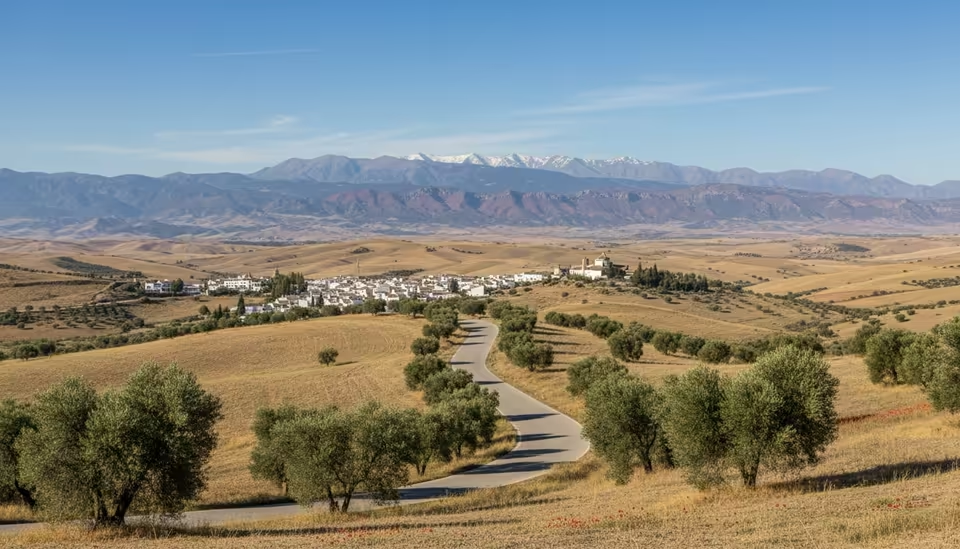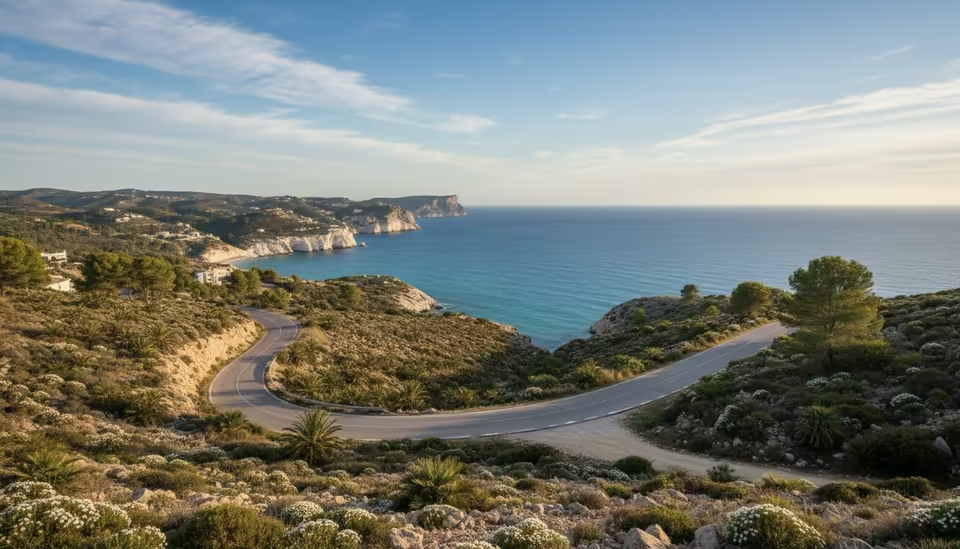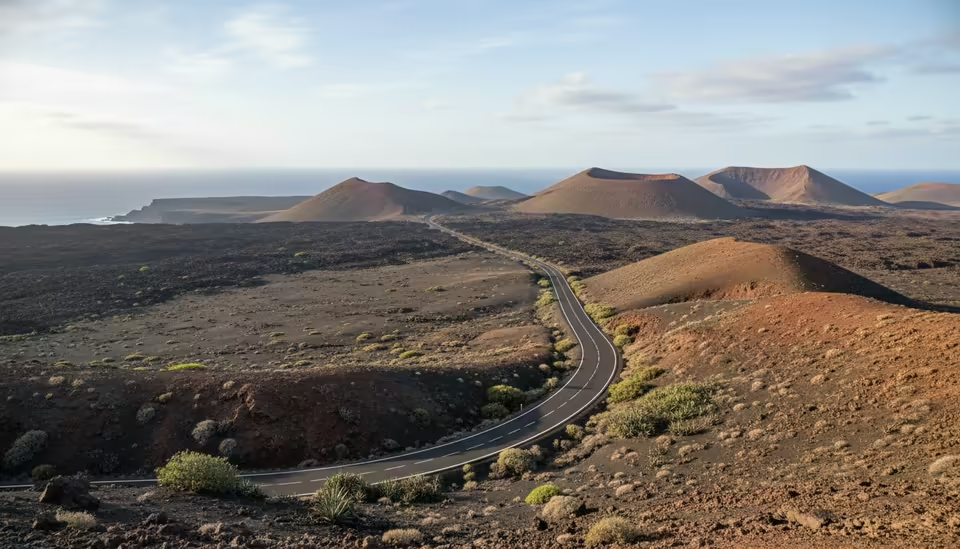
Lanzarote is a winter-training island unlike anywhere else in Europe, a place where the riding is defined less by climbs than by wind, lava and light. The most northerly of the big Canary cycling islands, it trades the long mountain passes of Tenerife or Gran Canaria for something stranger and more elemental: black volcanic fields, white low-rise villages, and roads that roll and undulate across an open, treeless landscape under near-guaranteed winter sun. For riders escaping a grey northern January, it is one of the most reliable places on the continent to put in dry, warm base miles day after day.
The terrain has no single dominant climb to build a trip around. The longest sustained ascent is Tabayesco, roughly ten and a half kilometres at a steady five percent with a few handsome switchbacks near the top, and on a calm day it is very manageable. The signature rides instead thread through the scenery: out across the lunar lava fields around the Timanfaya National Park, north to the Mirador del Rio lookout high above the islet of La Graciosa, and along the wild Famara coast. It is undulating, punchy riding rather than big-col climbing, and it rewards a rider who enjoys constant small efforts over one long grind.
The catch, and the thing every Lanzarote regular will tell you, is the wind. The trade winds are almost always present, gusts can top forty kilometres an hour, and with little vegetation and a low profile there is nothing to shelter behind. A flat road into a headwind here can be harder than any climb, which is exactly why it forges such strong riders. It is no accident that Ironman Lanzarote, run over a 180-kilometre loop with around 2,550 metres of climbing, has one of the most feared bike courses in triathlon. Plan your loops to ride out into the wind and home with it behind you, and treat the resistance as built-in interval training rather than a problem to avoid.
As a winter-sun destination Lanzarote is about as dependable as they come. From late autumn through spring, daytime temperatures sit in the mid-teens to low twenties, rain is rare, and you can count on dry roads even deep in January. That reliability, more than raw terrain, is the island's draw: it is a place to bank consistent volume when home is cold and wet. Summer is rideable but hotter and busier with general tourists, so the cycling season really runs when the rest of Europe is indoors.
The cycling culture here leans firmly toward triathlon and structured training rather than the cafe-and-group-ride scene of Mallorca. The gravitational centre is Club La Santa in the north-west, a self-contained sports resort that draws pro triathletes and cyclists for sun-soaked training blocks and offers everything from a fifteen-kilometre loop to the full Ironman route straight from the door. The island has a focused, purposeful training-camp feel, the roads are quieter than Tenerife or Mallorca, and if you want structure and a sports-camp environment it fits perfectly.
Where you stay shapes the trip. Costa Teguise and Puerto del Carmen are the two most established cyclist bases, both within easy reach of the rental shops and the main loops, while Playa Blanca in the south suits riders who want a beach-resort base for every evening. Club La Santa is a category of its own, a training bubble rather than a resort town. Wherever you land, the island is small enough that the whole of it is within a day's ride, so no single base locks you out of the good roads.
On what to ride, Lanzarote is road-cycling country, and a standard road bike with sensible gearing is all most riders need, there are no savage gradients to gear down for, just wind to push through. Aero and time-trial bikes are popular given the strong triathlon presence and the open, rolling roads that suit sustained efforts. Gravel exists on the volcanic tracks for the adventurous, but the tarmac and the wind are the main event. Rental fleets tend to run a little cheaper than on the larger cycling islands, and a seven-day mid-range carbon road bike often lands around 180 to 300 euros with good multi-day discounts.
Logistics are simple and cheap. Flights from northern Europe are short and frequent through the winter, transfers from the airport to the main bases are quick, and renting on the island means you fly with hand luggage and skip the bike bag entirely. Pick up a bike that fits, set your own pedals and saddle, and ride out the same day into the lava fields. That combination of dependable sun, honest wind-forged riding and easy logistics is why Lanzarote has become a fixture in so many riders' winters. Browse the bikes above to start planning, and see the comparison guides if you are weighing it against Gran Canaria or Fuerteventura.