Road vs Gravel in Tuscany: Which Bike to Rent (2027)
A side-by-side look at riding Tuscany on a road bike vs a gravel bike, so you can pick the rental that fits your trip.
Side-by-side comparison
Hard data on Gravel in Tuscany and Road in Tuscany so you can pick what matters most for your trip.
| Dimension | Gravel in Tuscany | Road in Tuscany |
|---|---|---|
| Terrain | ||
| Signature ride | Strade bianche + Crete Senesi white-gravel loops | Chianti Classico climbs + Val d'Orcia paved ridges |
| Surface | Mixed: hard-packed white gravel, dirt, some tarmac | Smooth tarmac only, no white roads |
| Typical riding day | 50 to 100 km, 1,000 to 2,000 m elevation | 70 to 130 km, 1,000 to 2,000 m elevation |
| Coverage | ||
| How much of Tuscany you can ride | Almost all of it: gravel roads plus every paved road too | Paved only: you miss the strade bianche entirely |
| Vibe | ||
| Events you can ride | L'Eroica + Gran Fondo Strade Bianche routes | Paved gran fondos and the Chianti road classics |
| Pace and feel | Explorer: quieter roads, mixed-surface adventure | Faster: smooth tempo riding on quiet vineyard lanes |
| Practical | ||
| Tyre setup | 38 to 42 mm tubeless, file-tread gravel tyres | 28 to 32 mm road tyres |
| Rental availability | Excellent: Tuscany is a gravel-rental stronghold | Good: current carbon road bikes around Florence + Chianti |
Terrain
Strade bianche + Crete Senesi white-gravel loops
Chianti Classico climbs + Val d'Orcia paved ridges
Mixed: hard-packed white gravel, dirt, some tarmac
Smooth tarmac only, no white roads
50 to 100 km, 1,000 to 2,000 m elevation
70 to 130 km, 1,000 to 2,000 m elevation
Coverage
Almost all of it: gravel roads plus every paved road too
Paved only: you miss the strade bianche entirely
Vibe
L'Eroica + Gran Fondo Strade Bianche routes
Paved gran fondos and the Chianti road classics
Explorer: quieter roads, mixed-surface adventure
Faster: smooth tempo riding on quiet vineyard lanes
Practical
38 to 42 mm tubeless, file-tread gravel tyres
28 to 32 mm road tyres
Excellent: Tuscany is a gravel-rental stronghold
Good: current carbon road bikes around Florence + Chianti
In detail
A closer look at how Gravel in Tuscany and Road in Tuscany compare across the dimensions that matter most.
| Gravel in Tuscany | Road in Tuscany |
|---|---|
| The riding | |
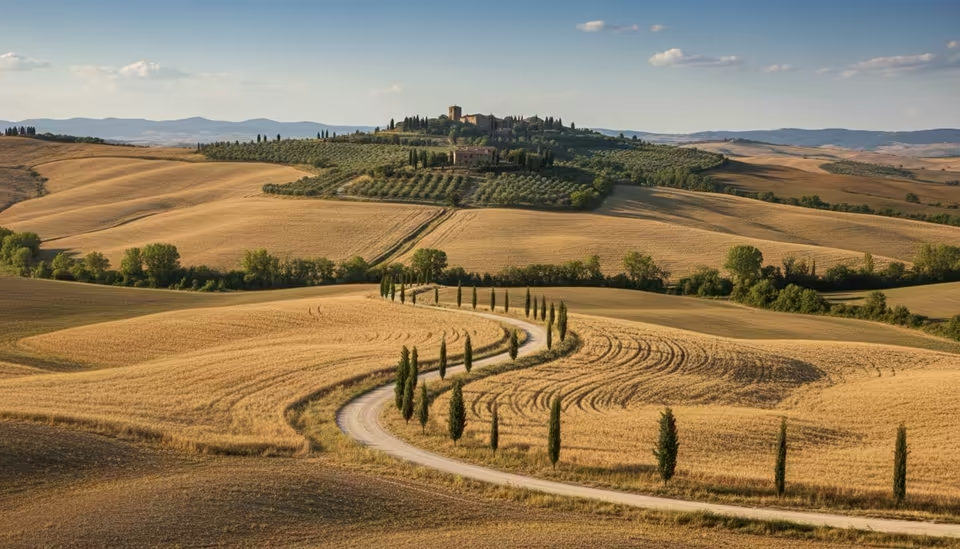
Gravel is what put Tuscany on the cycling map. The strade bianche ("white roads") cross the Crete Senesi south of Siena, hard-packed clay-and-limestone that rides fast and links medieval villages, vineyards, and the Val d'Orcia. This is the surface of the pro Strade Bianche race and the L'Eroica festival. A gravel bike here is not a compromise, it is the key that opens the region's defining rides, and because it also handles tarmac, it lets you mix a Chianti road climb and a white-gravel sector in a single loop. | Road riding in Tuscany is genuinely world-class, just less unique. The Chianti hills between Florence and Siena give smooth, quiet vineyard lanes with steady 4-to-9-kilometre climbs, and the Val d'Orcia adds cypress-lined paved ridges past Pienza and Montepulciano. If you ride tarmac exclusively and want fast tempo days through postcard countryside, a road bike delivers, but you will ride past the entrances to the white roads without being able to take them. |
| Which to rent | |
For most visitors, gravel is the smarter single rental. Tuscany is one of the easiest places in Europe to rent a quality gravel bike, typically a current carbon build with 38-to-42-millimetre tubeless tyres and wide-range gearing, set up correctly for the white roads. It covers the strade bianche AND every paved Chianti climb, so one bike does the whole trip. Unless you are certain you will never touch a white road, gravel gives you the most of Tuscany. | Rent road only if you are a dedicated tarmac rider who has no interest in the gravel, or if you are training for a road event and need a specific race position. Road fleets around Florence and the Chianti are good, current carbon bikes from the major brands, and pricing is close to gravel. The trade-off is coverage: a road bike is faster on the paved climbs but locks you out of the exact riding Tuscany is most famous for. |
The riding
Gravel in Tuscany
Gravel is what put Tuscany on the cycling map.
The strade bianche ("white roads") cross the Crete Senesi south of Siena, hard-packed clay-and-limestone that rides fast and links medieval villages, vineyards, and the Val d'Orcia. This is the surface of the pro Strade Bianche race and the L'Eroica festival. A gravel bike here is not a compromise, it is the key that opens the region's defining rides, and because it also handles tarmac, it lets you mix a Chianti road climb and a white-gravel sector in a single loop.
Road in Tuscany
Road riding in Tuscany is genuinely world-class, just less unique.
The Chianti hills between Florence and Siena give smooth, quiet vineyard lanes with steady 4-to-9-kilometre climbs, and the Val d'Orcia adds cypress-lined paved ridges past Pienza and Montepulciano. If you ride tarmac exclusively and want fast tempo days through postcard countryside, a road bike delivers, but you will ride past the entrances to the white roads without being able to take them.
Which to rent
Gravel in Tuscany
For most visitors, gravel is the smarter single rental.
Tuscany is one of the easiest places in Europe to rent a quality gravel bike, typically a current carbon build with 38-to-42-millimetre tubeless tyres and wide-range gearing, set up correctly for the white roads. It covers the strade bianche AND every paved Chianti climb, so one bike does the whole trip. Unless you are certain you will never touch a white road, gravel gives you the most of Tuscany.
Road in Tuscany
Rent road only if you are a dedicated tarmac rider who has no interest in the gravel, or if you are training for a road event and need a specific race position.
Road fleets around Florence and the Chianti are good, current carbon bikes from the major brands, and pricing is close to gravel. The trade-off is coverage: a road bike is faster on the paved climbs but locks you out of the exact riding Tuscany is most famous for.
Which one is right for you?
Pick the destination that matches what you're really looking for.
Ready to ride? Pick your destination.
Browse the full bike inventory at each destination and book the bike that fits your trip.