Costa Blanca vs Mallorca for Road Cycling: Honest Comparison (2027)
Two of Spain's most popular road cycling bases side by side, so you can pick the one that matches how you actually want to ride.
Side-by-side comparison
Hard data on Costa Blanca and Mallorca so you can pick what matters most for your trip.
| Dimension | Costa Blanca | Mallorca |
|---|---|---|
| Climbing & terrain | ||
| Signature climb | Coll de Rates, 6.4 km at 5.5% (steady, FTP-friendly) | Sa Calobra, 9.4 km at 7% with 26 switchbacks |
| Steepest wall | Cumbre del Sol, 3.7 km at 9.6%, ramps past 15% | Coll de Soller, classic but rarely above 8% |
| Longest climb | Port de Tudons (Aitana), ~20 km from near sea level | Puig Major from Soller, ~14.6 km at 5.9% |
| Flat / recovery options | Plenty: long coastal stretches and salt-flat roads | Plenty: Alcudia bay and quiet inland lanes |
| Seasonality | ||
| Best season | October to April (true winter cycling sun) | March to May, September to November |
| January rideability | Strong: 16 to 18 degrees, very little rain | Cooler: 12 to 16 degrees, passes can turn cold |
| Pro-team training presence | Heavy November through February around Calpe | Heavy late January through March |
| Vibe | ||
| Group ride and cycling-cafe scene | Strong but quieter, centred on Calpe and Denia | Massive, especially around Port de Pollenca |
| Off-bike holiday feel | Resort coast: beaches, marinas, family-friendly towns | Rich: old towns, restaurant culture, beaches |
| Practical | ||
| Bike-rental shop density | Good: solid premium-fleet shops around Calpe | Very high: dozens of premium-fleet shops island-wide |
| Average road bike rental, 7 days | €180 to €400 depending on bike level | €220 to €450 depending on bike level |
Climbing & terrain
Coll de Rates, 6.4 km at 5.5% (steady, FTP-friendly)
Sa Calobra, 9.4 km at 7% with 26 switchbacks
Cumbre del Sol, 3.7 km at 9.6%, ramps past 15%
Coll de Soller, classic but rarely above 8%
Port de Tudons (Aitana), ~20 km from near sea level
Puig Major from Soller, ~14.6 km at 5.9%
Plenty: long coastal stretches and salt-flat roads
Plenty: Alcudia bay and quiet inland lanes
Seasonality
October to April (true winter cycling sun)
March to May, September to November
Strong: 16 to 18 degrees, very little rain
Cooler: 12 to 16 degrees, passes can turn cold
Heavy November through February around Calpe
Heavy late January through March
Vibe
Strong but quieter, centred on Calpe and Denia
Massive, especially around Port de Pollenca
Resort coast: beaches, marinas, family-friendly towns
Rich: old towns, restaurant culture, beaches
Practical
Good: solid premium-fleet shops around Calpe
Very high: dozens of premium-fleet shops island-wide
€180 to €400 depending on bike level
€220 to €450 depending on bike level
In detail
A closer look at how Costa Blanca and Mallorca compare across the dimensions that matter most.
| Costa Blanca | Mallorca |
|---|---|
| The terrain | |
The Costa Blanca packs a lot of variety into a small area inland of Calpe and Denia. The signature climb is the Coll de Rates (6.4 km at 5.5%), a steady switchback road through pine and limestone that pros use to test their legs, Tadej Pogacar holds the Strava KOM. For steeper efforts there's Cumbre del Sol above Benitatxell, 3.7 km at 9.6% with ramps past 15%, which hosted a Vuelta a Espana stage finish in 2015. Go further inland and you find the quiet Vall d'Ebo (around 9 km at 5.1%), the Guadalest valley, Port de Bernia, and the long Port de Tudons drag up the Sierra de Aitana from near sea level. Between climbs you have flat coastal roads and salt-flat tempo stretches for recovery, so a single ride can stack quality climbing on top of easy spinning. | Mallorca offers two distinct riding environments stitched into one island. The Serra de Tramuntana in the northwest gives you the iconic climbs: Sa Calobra (9.4 km at 7% with 26 switchbacks and a famous knot of hairpins at the bottom), Puig Major (the longest and highest paved climb on the island, around 14.6 km at 5.9% from Soller), Coll de Soller with its 50-plus hairpins, and Cap Formentor out to the lighthouse. The rest of the island is rolling to flat, with quiet inland roads through orange groves and long coastal tempo roads along Alcudia bay. Most cyclists mix both within the same trip, a mountain day, a flat day, and a varied day on rotation. |
| Climate and season | |
The Costa Blanca's strength is the depth of its winter. With roughly 320 days of sun a year and January daytime temperatures around 16 to 18 degrees on the coast, it is one of the most reliable places in Europe to train through December and February, with very little rain to wash out a week. Frost is rare right on the coast, though the higher inland climbs are cooler and you'll want layers for a long descent. This is exactly why Calpe and Denia fill up with WorldTour teams from October onward, the weather lets you stack quality hours when most of Europe is indoors. | Mallorca's sweet spot is March through May, then September through November. Spring brings 14 to 22 degrees, full sun, and the legendary cycling buzz of pro teams doing pre-season camps. Winter is mild on the coast (around 12 to 16 degrees) but cooler than the Costa Blanca, and the high Tramuntana passes can turn cold or occasionally close after rain. Summer is rideable but hot, with most cyclists heading out at sunrise and calling it before midday. |
| Community and atmosphere | |
The Costa Blanca scene is serious but more training-focused than festival-like. Calpe in winter is a genuine pro hub, teams including Sky, Trek-Segafredo and others have based camps here, and you'll see structured intervals more than coffee-ride pelotons. There is a good network of cyclist-friendly cafes and rental shops around Calpe and Denia, but the vibe leans toward purposeful blocks of training and a quieter, resort-coast feel off the bike, with marinas, beaches, and family-friendly towns rather than a wall-to-wall cycling carnival. | Mallorca's cycling community is the densest in Europe. Port de Pollenca in March feels like a cycling festival, every cafe has road bikes leaning outside, group rides leave the same roundabout every 30 minutes, and you'll see WorldTour pros doing recovery spins past you on the same coastal roads. It's social by default, and easy to fall into a group of strangers for a 4-hour ride, which makes it the gentler landing for a first cycling holiday. |
| Logistics and cost | |
The Costa Blanca is reached through Alicante airport, well connected on budget routes from across Europe, with Calpe and Denia an easy transfer away. Rental shops around Calpe carry quality carbon road bikes from brands like Specialized and BMC, and a 7-day mid-range carbon rental typically runs €180 to €350, a little cheaper than Mallorca on average. Accommodation and food also tend to be more affordable, which makes it a strong pick if you want a long winter block without a peak-season price tag. | Mallorca is cheap to fly to, accessible from every major European airport, and the rental scene is the most mature anywhere: drop your suitcase at the hotel, pick up a Cervelo or Canyon a few hundred metres away, and ride from your front door. A 7-day mid-range carbon road bike rental runs €220 to €350 most months, slightly more in peak spring season. The sheer number of shops means you are more likely to get a specific high-end model in your exact size. |
The terrain
Costa Blanca
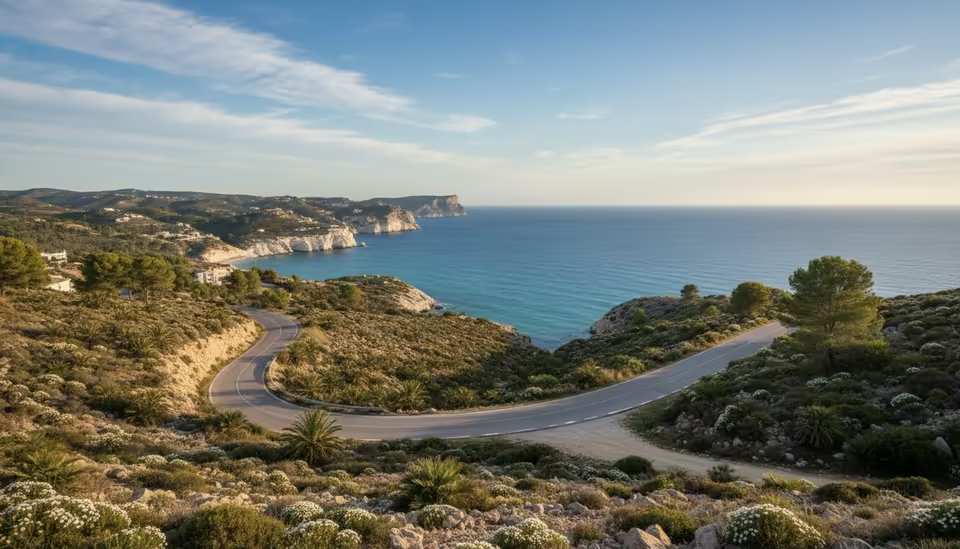
The Costa Blanca packs a lot of variety into a small area inland of Calpe and Denia.
The signature climb is the Coll de Rates (6.4 km at 5.5%), a steady switchback road through pine and limestone that pros use to test their legs, Tadej Pogacar holds the Strava KOM. For steeper efforts there's Cumbre del Sol above Benitatxell, 3.7 km at 9.6% with ramps past 15%, which hosted a Vuelta a Espana stage finish in 2015. Go further inland and you find the quiet Vall d'Ebo (around 9 km at 5.1%), the Guadalest valley, Port de Bernia, and the long Port de Tudons drag up the Sierra de Aitana from near sea level. Between climbs you have flat coastal roads and salt-flat tempo stretches for recovery, so a single ride can stack quality climbing on top of easy spinning.
Mallorca
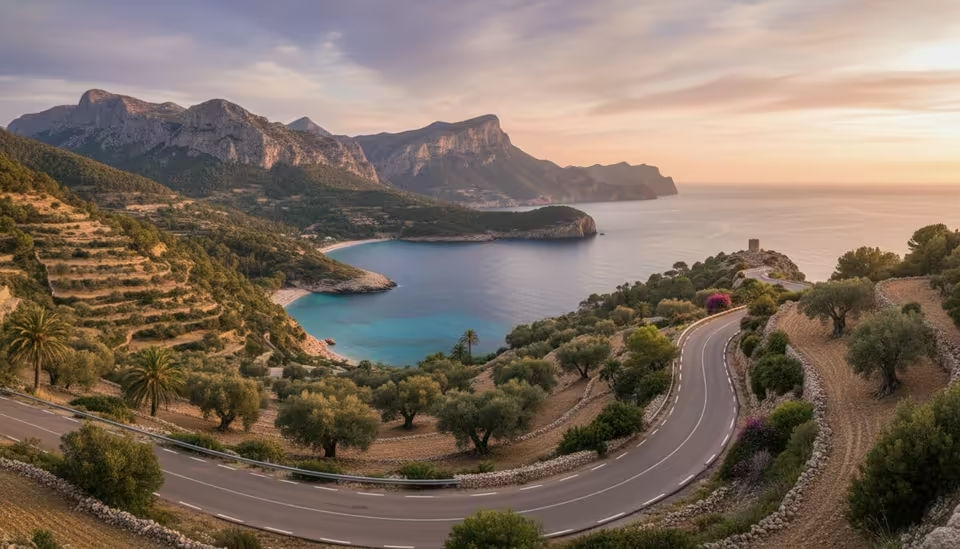
Mallorca offers two distinct riding environments stitched into one island.
The Serra de Tramuntana in the northwest gives you the iconic climbs: Sa Calobra (9.4 km at 7% with 26 switchbacks and a famous knot of hairpins at the bottom), Puig Major (the longest and highest paved climb on the island, around 14.6 km at 5.9% from Soller), Coll de Soller with its 50-plus hairpins, and Cap Formentor out to the lighthouse. The rest of the island is rolling to flat, with quiet inland roads through orange groves and long coastal tempo roads along Alcudia bay. Most cyclists mix both within the same trip, a mountain day, a flat day, and a varied day on rotation.
Climate and season
Costa Blanca
The Costa Blanca's strength is the depth of its winter.
With roughly 320 days of sun a year and January daytime temperatures around 16 to 18 degrees on the coast, it is one of the most reliable places in Europe to train through December and February, with very little rain to wash out a week. Frost is rare right on the coast, though the higher inland climbs are cooler and you'll want layers for a long descent. This is exactly why Calpe and Denia fill up with WorldTour teams from October onward, the weather lets you stack quality hours when most of Europe is indoors.
Mallorca
Mallorca's sweet spot is March through May, then September through November.
Spring brings 14 to 22 degrees, full sun, and the legendary cycling buzz of pro teams doing pre-season camps. Winter is mild on the coast (around 12 to 16 degrees) but cooler than the Costa Blanca, and the high Tramuntana passes can turn cold or occasionally close after rain. Summer is rideable but hot, with most cyclists heading out at sunrise and calling it before midday.
Community and atmosphere
Costa Blanca
The Costa Blanca scene is serious but more training-focused than festival-like.
Calpe in winter is a genuine pro hub, teams including Sky, Trek-Segafredo and others have based camps here, and you'll see structured intervals more than coffee-ride pelotons. There is a good network of cyclist-friendly cafes and rental shops around Calpe and Denia, but the vibe leans toward purposeful blocks of training and a quieter, resort-coast feel off the bike, with marinas, beaches, and family-friendly towns rather than a wall-to-wall cycling carnival.
Mallorca
Mallorca's cycling community is the densest in Europe.
Port de Pollenca in March feels like a cycling festival, every cafe has road bikes leaning outside, group rides leave the same roundabout every 30 minutes, and you'll see WorldTour pros doing recovery spins past you on the same coastal roads. It's social by default, and easy to fall into a group of strangers for a 4-hour ride, which makes it the gentler landing for a first cycling holiday.
Logistics and cost
Costa Blanca
The Costa Blanca is reached through Alicante airport, well connected on budget routes from across Europe, with Calpe and Denia an easy transfer away.
Rental shops around Calpe carry quality carbon road bikes from brands like Specialized and BMC, and a 7-day mid-range carbon rental typically runs €180 to €350, a little cheaper than Mallorca on average. Accommodation and food also tend to be more affordable, which makes it a strong pick if you want a long winter block without a peak-season price tag.
Mallorca
Mallorca is cheap to fly to, accessible from every major European airport, and the rental scene is the most mature anywhere: drop your suitcase at the hotel, pick up a Cervelo or Canyon a few hundred metres away, and ride from your front door.
A 7-day mid-range carbon road bike rental runs €220 to €350 most months, slightly more in peak spring season. The sheer number of shops means you are more likely to get a specific high-end model in your exact size.
Which one is right for you?
Pick the destination that matches what you're really looking for.
Ready to ride? Pick your destination.
Browse the full bike inventory at each destination and book the bike that fits your trip.