Mallorca vs Tenerife for Road Cycling: Honest Comparison (2027)
A side-by-side look at two of Europe's top road cycling destinations to help you pick the one that fits your trip.
Side-by-side comparison
Hard data on Mallorca and Tenerife so you can pick what matters most for your trip.
| Dimension | Mallorca | Tenerife |
|---|---|---|
| Climbing & terrain | ||
| Longest single climb | Sa Calobra, ~10 km at 7% | Mt Teide, 45 to 60 km depending on start point |
| Average elevation per riding day | 1,200 to 2,500 m | 2,000 to 3,500 m |
| Number of distinct training routes | Dozens: mountain, flat, and coastal options | Limited: most rides are variations on Teide |
| Seasonality | ||
| Best season | March to May, September to November | November to March (winter cycling sweet spot) |
| Pro-team training presence | Heavy late January through March | Heavy December through February |
| Vibe | ||
| Group ride and cycling-cafe scene | Massive, especially around Port de Pollenca | Smaller, more focused on solo training blocks |
| Beginner-friendliness | High: gentle coastal routes plus optional mountains | Moderate: most quality riding involves long climbs |
| Off-bike holiday feel | Strong: beaches, old towns, restaurant culture | Quieter: volcanic landscapes, less village charm |
| Practical | ||
| Bike-rental shop density | High: dozens of premium-fleet shops | Moderate: smaller selection, mostly around Costa Adeje |
| Average road bike rental, 7 days | €220 to €450 depending on bike level | €250 to €500 depending on bike level |
Climbing & terrain
Sa Calobra, ~10 km at 7%
Mt Teide, 45 to 60 km depending on start point
1,200 to 2,500 m
2,000 to 3,500 m
Dozens: mountain, flat, and coastal options
Limited: most rides are variations on Teide
Seasonality
March to May, September to November
November to March (winter cycling sweet spot)
Heavy late January through March
Heavy December through February
Vibe
Massive, especially around Port de Pollenca
Smaller, more focused on solo training blocks
High: gentle coastal routes plus optional mountains
Moderate: most quality riding involves long climbs
Strong: beaches, old towns, restaurant culture
Quieter: volcanic landscapes, less village charm
Practical
High: dozens of premium-fleet shops
Moderate: smaller selection, mostly around Costa Adeje
€220 to €450 depending on bike level
€250 to €500 depending on bike level
In detail
A closer look at how Mallorca and Tenerife compare across the dimensions that matter most.
| Mallorca | Tenerife |
|---|---|
| The terrain | |
Mallorca offers two distinct riding environments stitched into one island. The Serra de Tramuntana in the northwest gives you the iconic climbs: Sa Calobra (10 km at 7% with a famous knot of switchbacks at the bottom), Puig Major (the highest paved road on the island), and Coll de Soller. The rest of the island is rolling to flat, with quiet inland roads through orange groves, and long coastal tempo roads along Alcudia bay. Most cyclists mix both within the same trip, doing a mountain day, a flat day, and a varied day on rotation. | Tenerife is a single volcanic mountain rising out of the Atlantic, and almost every quality road ride is some variation on climbing it. From the south coast you have a 45 to 60-kilometre climb to the rim of the Teide caldera at over 2,000 m, Europe's longest sustained paved ascent. The north side gives you a steeper, more dramatic climb through banana plantations and laurel forests. The flat coastal options are limited: the south coast tourist strip is busy, the rest of the coastline gets technical fast. |
| Climate and season | |
Mallorca's sweet spot is March through May, then September through November. Spring brings 14 to 22 degrees, full sun, and the legendary cycling buzz of pro teams doing pre-season camps. Summer is rideable but hot, most cyclists go out at sunrise then call it. Winter is mild on the coast but the high passes can be cold and occasionally close after rain. | Tenerife shines in the European winter (November through March) when it's the warmest reliable cycling destination accessible to Northern Europeans by short flight. Daytime lows of 18 degrees in January are typical, and the clouds usually sit below 1,500 m so the high climbs break above them into bright sun. Summer riding is possible but the south coast hits 30+ degrees and the air on Teide gets thin. |
| Community and atmosphere | |
Mallorca's cycling community is the densest in Europe. Port de Pollenca in March feels like a cycling festival, every cafe has road bikes leaning outside, group rides leave the same roundabout every 30 minutes, and you'll see WorldTour pros doing recovery spins past you on the same coastal roads. It's social by default, and easy to fall into a group of strangers for a 4-hour ride. | Tenerife is quieter and more deliberate. Pros come here for focused training blocks (Tadej Pogacar and Chris Froome have both been seen on Teide), but the community is smaller, more dispersed, and less casual. You're more likely to ride solo or with one or two friends, plan your day around weather and altitude, and treat the trip as a structured camp rather than a social holiday. |
| Logistics and cost | |
Mallorca is cheap to fly to, accessible from every major European airport, and the rental scene is mature: drop your suitcase at the hotel, pick up a Cervelo or Canyon a few hundred metres away, and ride from your front door. A 7-day mid-range carbon road bike rental runs €220 to €350 most months, slightly more in peak season. | Tenerife flights are slightly longer and pricier from continental Europe, and the rental scene is smaller, 8 or so quality shops cluster around Costa Adeje. A 7-day rental costs slightly more than Mallorca on average. The big winter cyclist boom is post-Christmas through February, so book bikes and accommodation early if you want the prime January window. |
The terrain
Mallorca
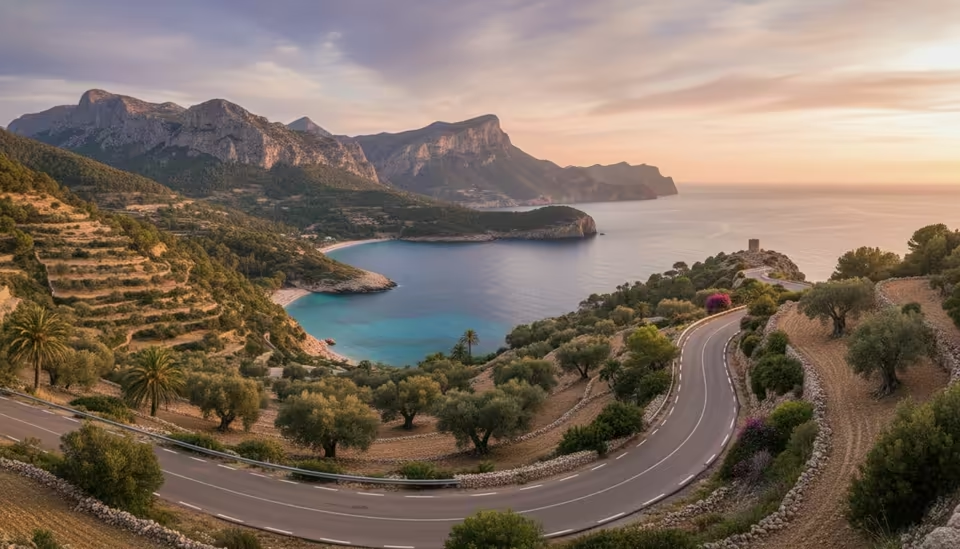
Mallorca offers two distinct riding environments stitched into one island.
The Serra de Tramuntana in the northwest gives you the iconic climbs: Sa Calobra (10 km at 7% with a famous knot of switchbacks at the bottom), Puig Major (the highest paved road on the island), and Coll de Soller. The rest of the island is rolling to flat, with quiet inland roads through orange groves, and long coastal tempo roads along Alcudia bay. Most cyclists mix both within the same trip, doing a mountain day, a flat day, and a varied day on rotation.
Tenerife
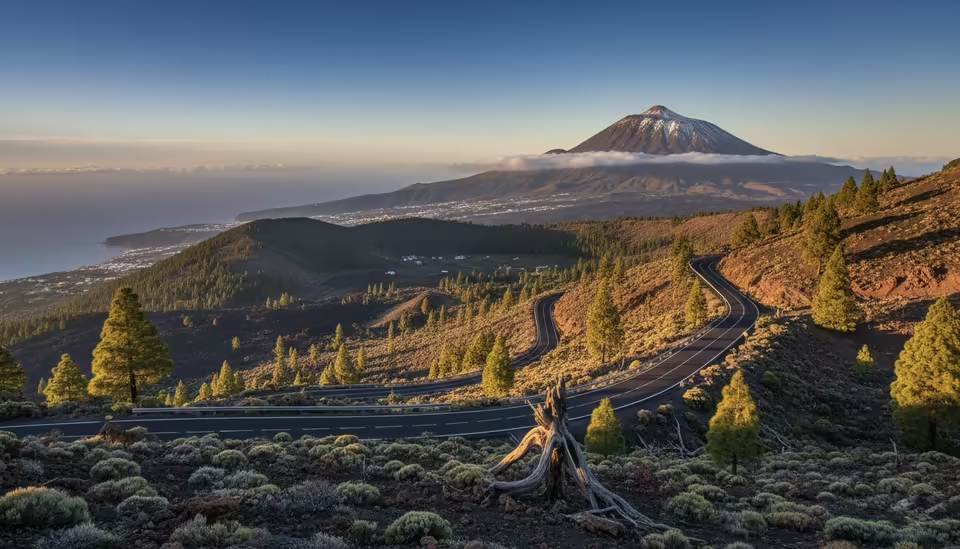
Tenerife is a single volcanic mountain rising out of the Atlantic, and almost every quality road ride is some variation on climbing it.
From the south coast you have a 45 to 60-kilometre climb to the rim of the Teide caldera at over 2,000 m, Europe's longest sustained paved ascent. The north side gives you a steeper, more dramatic climb through banana plantations and laurel forests. The flat coastal options are limited: the south coast tourist strip is busy, the rest of the coastline gets technical fast.
Climate and season
Mallorca
Mallorca's sweet spot is March through May, then September through November.
Spring brings 14 to 22 degrees, full sun, and the legendary cycling buzz of pro teams doing pre-season camps. Summer is rideable but hot, most cyclists go out at sunrise then call it. Winter is mild on the coast but the high passes can be cold and occasionally close after rain.
Tenerife
Tenerife shines in the European winter (November through March) when it's the warmest reliable cycling destination accessible to Northern Europeans by short flight.
Daytime lows of 18 degrees in January are typical, and the clouds usually sit below 1,500 m so the high climbs break above them into bright sun. Summer riding is possible but the south coast hits 30+ degrees and the air on Teide gets thin.
Community and atmosphere
Mallorca
Mallorca's cycling community is the densest in Europe.
Port de Pollenca in March feels like a cycling festival, every cafe has road bikes leaning outside, group rides leave the same roundabout every 30 minutes, and you'll see WorldTour pros doing recovery spins past you on the same coastal roads. It's social by default, and easy to fall into a group of strangers for a 4-hour ride.
Tenerife
Tenerife is quieter and more deliberate.
Pros come here for focused training blocks (Tadej Pogacar and Chris Froome have both been seen on Teide), but the community is smaller, more dispersed, and less casual. You're more likely to ride solo or with one or two friends, plan your day around weather and altitude, and treat the trip as a structured camp rather than a social holiday.
Logistics and cost
Mallorca
Mallorca is cheap to fly to, accessible from every major European airport, and the rental scene is mature: drop your suitcase at the hotel, pick up a Cervelo or Canyon a few hundred metres away, and ride from your front door.
A 7-day mid-range carbon road bike rental runs €220 to €350 most months, slightly more in peak season.
Tenerife
Tenerife flights are slightly longer and pricier from continental Europe, and the rental scene is smaller, 8 or so quality shops cluster around Costa Adeje.
A 7-day rental costs slightly more than Mallorca on average. The big winter cyclist boom is post-Christmas through February, so book bikes and accommodation early if you want the prime January window.
Which one is right for you?
Pick the destination that matches what you're really looking for.
Ready to ride? Pick your destination.
Browse the full bike inventory at each destination and book the bike that fits your trip.